What are standard size garage doors? Most single-car doors are 8 or 9 feet wide and 7 or 8 feet tall. Two-car doors often measure 16 feet wide. The right choice depends on the opening, vehicles, storage plans, and space needed for safe use. Marion homeowners should measure before ordering.
Table of Contents
- What Are Standard Size Garage Doors?
- How Do You Measure a Garage Door Opening?
- What Garage Door Size Do You Need for One Car?
- What Size Garage Door Is Best for Two Cars?
- How Much Garage Door Headroom and Side Room Are Required?
- Are Custom Garage Door Sizes Available?
- How Do You Choose the Right Garage Door Size?
- Frequently Asked Questions
What Are Standard Size Garage Doors?
Standard garage door sizes are common width and height choices for home garages. A single door is often 8 or 9 feet wide. Common heights are 7 and 8 feet. A double door is often 16 feet wide, with a height of 7 or 8 feet.
These sizes work for many homes, but they do not fit every property. Older homes, detached garages, workshops, and converted spaces may have different openings. The panels, tracks, springs, and opener must all match the space that is available.
Common single-car garage door widths and heights
A single-car garage door is often 8 feet wide by 7 feet tall. Another common choice is 9 feet wide by 7 feet tall. Some homes use an 8-foot height when the garage has taller walls or needs more room for a large vehicle.
An 8-foot door can work well for a small car. It may feel narrow for a truck or SUV. A 9-foot door gives drivers more room to enter and leave. It also gives more space to open the vehicle doors. The best size leaves safe room on both sides.
Common two-car garage door dimensions
A two-car garage often has one 16-foot-wide door. Some larger garages use an 18-foot-wide door. Two separate doors that are 8 or 9 feet wide are another choice.
Door style can also affect the final choice. Sectional doors, carriage-house doors, and doors with windows may fit standard openings. Their weight and track needs can still differ. Marion Garage Door Repair can help Marion homeowners compare sizes before choosing a new door.
How Do You Measure a Garage Door Opening?
Start by measuring the finished opening width and height. Then measure the space above, beside, and behind the opening. These measurements help show whether a new door and its hardware will fit safely.
A tape measure, pencil, and notepad are enough for a first check. Measure more than once because walls and frames may not be square. Even a small difference can affect the fit of the door and tracks.
Measurements to take before choosing a door
Measure the width from the left inside edge to the right inside edge. Measure the height from the finished floor to the top of the opening. Take each measurement near both sides and near the center. Record the smallest usable width and height.
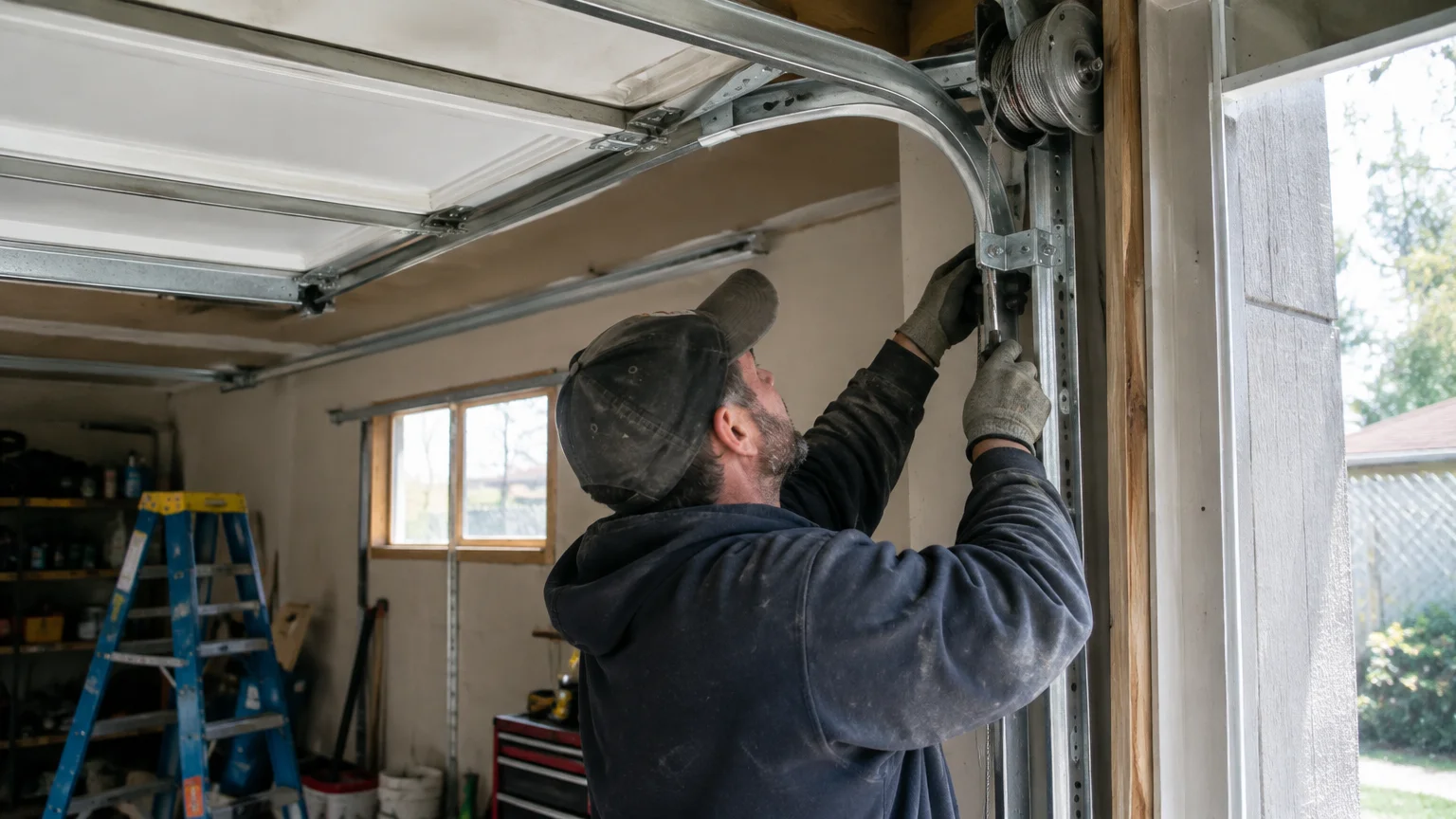
Next, measure the headroom above the opening. Headroom is the clear space between the top of the opening and the ceiling or nearest object. Measure the sideroom on both sides. Sideroom is the clear wall space where tracks and brackets may be placed.
Also measure the backroom. Backroom is the distance from the opening to the rear wall. It must allow room for the door sections, tracks, springs, and opener. Note any lights, beams, ducts, shelves, or storage racks in this space.
Why the rough opening and door size may differ
The rough opening is the framed space made for the door. The finished opening is the usable space after trim, seals, and other materials are added. These measurements can differ, so the door size may not match the outside frame.
A replacement may also need new tracks, brackets, seals, or an opener. The frame may have shifted over time. A trained garage door worker can check the opening, framing, and hardware before a door is ordered.
What Garage Door Size Do You Need for One Car?
A single-car garage usually needs an 8- or 9-foot-wide door. The best width depends on the vehicle and the driver’s comfort. Trucks, wide SUVs, and vehicles with large mirrors often work better with the wider choice.
The door should let the vehicle enter without many corrections. It should also leave room for a person to walk around the vehicle. A door that is large enough may still feel tight if the garage holds bikes, tools, bins, or lawn equipment.
Choosing a width for cars, trucks, and SUVs
A compact car may fit well through an 8-foot door. A midsize SUV or pickup may be easier to use with a 9-foot door. Large trucks, work vans, and vehicles with wide mirrors may need more width or a taller opening.
Vehicle height matters too. Roof racks, cargo boxes, antennas, and lifted suspensions can change the needed clearance. Measure the vehicle at its highest point. Leave safe space above it. Also check the garage floor for slopes that may change the usable height.
When a single-car door needs extra clearance
Extra clearance helps when the garage has narrow walls, low light, or storage along the sides. It can also help when drivers carry children, load tools, or open doors inside the garage. A wider opening may make daily use easier.
Making an opening wider is not always simple. Wall framing, electrical wiring, siding, and roof loads may limit the work. Garage Door Installation should be planned around the building, not only around the vehicle.
What Size Garage Door Is Best for Two Cars?
A 16-foot-wide garage door is a common choice for two cars. An 18-foot door may give more room in a larger garage. Two separate doors, often 8 or 9 feet wide each, may work when the structure allows them.
One wide door gives the garage a broad opening and a simple front view. Two doors can offer more control and less open space during daily use. They can also give the building a more traditional look. The best choice depends on the framing, driveway, vehicles, and daily needs.
Single wide doors versus two separate doors
One wide door may make parking easier when both vehicles use the same driveway. It can also provide a clean front view and remove the need for a center post. The door, springs, tracks, and opener must be sized for the wider system.
Two separate doors let one side open while the other stays closed. This may help with access and security. Each door may also have smaller moving sections. This choice can require two openers, more wall space, and careful placement of the center support.
Planning space for vehicles, storage, and movement
The opening is only one part of a two-car garage plan. Think about walking paths, workbenches, shelves, bikes, freezers, and trash bins. Vehicles need room for doors to open without hitting walls or stored items.
The driveway matters as well. A wide door may be hard to approach if the drive is narrow or sharply angled. Marion Garage Door Repair can help property owners review the opening and choose a practical size for the space.
How Much Garage Door Headroom and Side Room Are Required?
Garage door headroom and side room vary by door type and hardware. Most standard systems need clear space above and beside the opening. The exact need depends on the tracks, springs, opener, and shape of the ceiling.
Headroom is the space above the door opening. Sideroom is the wall space beside it. Backroom is the depth behind the door. These areas must stay clear so the door can move without hitting lights, beams, ducts, shelves, or vehicles.
Headroom, backroom, and sideroom explained
A standard lift system uses tracks that rise above the opening and run across the ceiling. It needs room for tracks, rollers, springs, and the opener. Low-headroom hardware can help in some garages, but it may change the setup.
Backroom must fit the open door and horizontal tracks. A short garage may need a different track design. Sideroom must fit the vertical tracks, cable drums, brackets, and spring parts. Narrow walls can limit the available choices.
Clearance considerations for different opener systems
A ceiling-mounted opener needs room along the ceiling and above the door. A wall-mounted opener may help when the ceiling has low clearance or storage. It still needs compatible hardware and enough side space for the drive system.
The opener is only one part of the safety setup. Springs and cables carry much of the door’s weight. A broken garage door spring can cause serious harm if it is adjusted without the right tools and training. Garage Door Opener Repair may be needed when an existing motor does not match a replacement door.
Are Custom Garage Door Sizes Available?
Custom garage door sizes are available for many homes and buildings. They may help when an opening is unusually wide, tall, narrow, or shaped by older construction. A custom door can also preserve an existing opening when major frame changes are not wanted.
Custom sizing does not mean every opening can accept any door. The frame, ceiling, tracks, springs, panels, seals, and opener must work together. Some designs may take longer to order or offer fewer panel and window choices.
When a nonstandard size may be the right choice
A nonstandard door may suit a historic home, detached workshop, boat garage, or tall vehicle bay. It may also help when a garage has an unusual roof line or limited side walls. Compare the value of a custom door with the work needed to change the opening.
The way the garage is used should guide the choice. A storage garage may need a different height than a garage used for a tall truck. A business or property manager may need a wider opening for equipment or regular deliveries.
How custom sizing affects installation and replacement
Custom sizing can affect panel design, window placement, track length, spring choice, and opener fit. Replacement parts may need to match the exact door model. Accurate records and careful measurements can make future repairs easier.
An old opening may also need repairs before installation. Damaged framing, worn seals, bent tracks, or an off-track door should be handled first. A professional can explain which parts must change and which parts may remain safe to use.
How Do You Choose the Right Garage Door Size?
The right garage door size fits the opening, vehicles, hardware, and daily habits. It should provide safe clearance without causing major frame changes. Careful measurements are more useful than copying the size of another garage.
Think about both current and future needs. A small car today may be replaced by a truck or SUV later. Storage plans may change too. Choosing enough usable room now may help prevent another door change later.
A practical checklist before ordering
- Measure the opening width and height in several places.
- Check headroom, sideroom, and backroom for clear space.
- Measure the tallest vehicle and any roof-mounted equipment.
- Note beams, lights, ducts, shelves, wiring, and other objects.
- Decide between one wide door and two separate doors.
- Check whether the current opener matches the new door.
- Review panel, insulation, window, and color choices.
Base the final size on the smallest reliable opening measurement. A door that is too large can bind or fail to seal. A door that is too small can leave gaps, reduce security, and create extra work around the frame.
When to ask a garage door professional to verify measurements
Professional help is wise when the opening is uneven, the ceiling is low, or the frame is damaged. It is also important when springs, cables, tracks, or an opener must be changed. These parts work as one system, so a wrong measurement can affect garage door safety.
Marion Garage Door Repair serves homeowners and property owners across the main Marion area. Service areas include Downtown and Oak Knoll, along with Morral, Caledonia, Waldo, New Bloomington, and nearby communities. If a door is stuck, off track, or unable to open, quick help can protect access and security while the right repair or replacement plan is checked.
Frequently Asked Questions
What are standard size single garage doors?
Common single garage doors are about 8 or 9 feet wide and 7 or 8 feet tall. The best size depends on the vehicle, wall space, and garage layout. A wider door may make entry easier for trucks and SUVs. A smaller opening may suit a compact car.
How wide are two-car garage doors?
A two-car garage often uses a 16-foot-wide door. Some larger garages use an 18-foot door. Two separate doors may also work, with each door commonly measuring 8 or 9 feet wide. Check the framing and driveway before choosing one wide opening.
How tall are standard garage doors?
Many standard garage doors are 7 or 8 feet tall. Taller doors may be needed for trucks, vans, roof racks, or high ceilings. Measure the vehicle with all equipment attached. The opening must also have enough headroom for tracks and hardware.
What size are standard garage door rollers?
Garage door rollers come in different stem lengths, wheel sizes, and bearing designs. The correct roller depends on the track and door system, not only the door width. A worn or noisy roller should be checked before replacement. The track may also be bent or damaged.
Who services garage doors near me?
Local garage door companies may handle installation, maintenance, off-track doors, cables, springs, and openers. Look for a provider that serves the property area and explains the needed work clearly. Marion Garage Door Repair can help customers review repair and replacement needs.
Key Takeaways
- Single garage doors are often 8 or 9 feet wide.
- Two-car doors are commonly 16 feet wide, with larger choices available.
- Height, headroom, sideroom, and backroom all affect the final fit.
- Vehicle size and storage plans should guide the choice.
- Professional measurements can help prevent fit and safety problems.
Conclusion
Choosing a garage door size starts with accurate measurements and careful planning. Standard sizes work for many homes, but vehicle height, wall space, ceiling clearance, and storage needs can change the best option. The opener, springs, tracks, panels, and seals must also match the door.
Marion Garage Door Repair helps property owners understand their options before a repair or replacement. Contact us today to verify the garage opening and address urgent access or security problems before they become harder to manage.